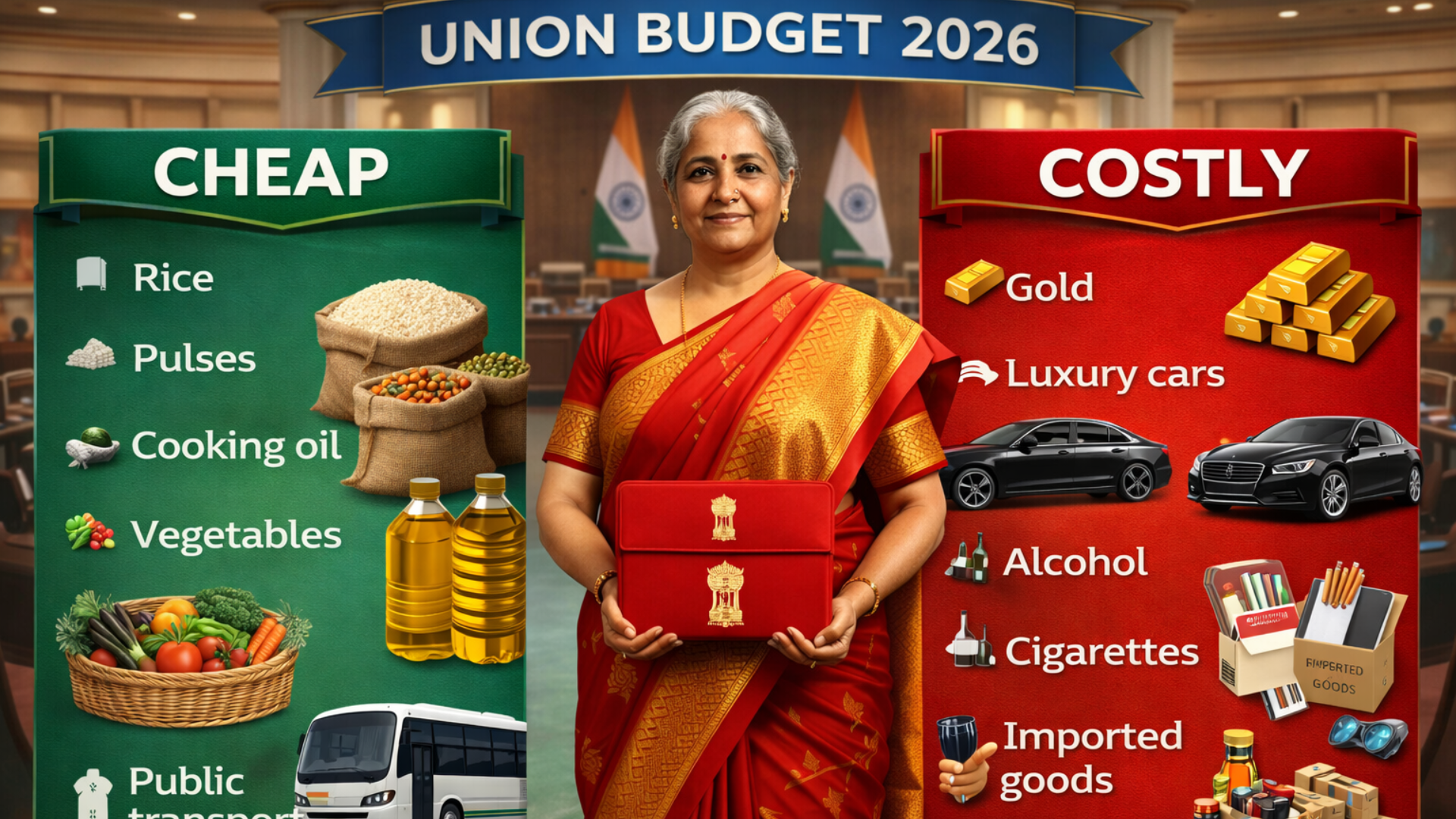
The Union Budget 2026 is expected to bring a major relief for common people and businesses across India. According to media reports and policy discussions, the central government may finally bring petrol and diesel under the Goods and Services Tax (GST) framework. If this proposal is announced in Budget 2026, fuel prices across the country could see a significant reduction. Currently, petrol and diesel prices are high due to multiple central and state taxes. Bringing fuel under GST will simplify taxation and reduce the overall burden on consumers.
Union Budget 2026
What Is the Big Announcement in Union Budget 2026?
In Union Budget 2026, the government is likely to announce the inclusion of petrol and diesel under GST. At present, fuel is kept outside the GST system, and both central and state governments impose their own taxes. This leads to different fuel prices in different states. If petrol and diesel come under GST, a single tax rate will be applied across the country. This move has been discussed for years, but Budget 2026 may finally make it a reality.
Why Petrol and Diesel Prices Are High Right Now
Currently, petrol and diesel prices include excise duty by the central government and VAT by state governments. In many states, VAT alone can be more than 20–30%. Because of this double taxation, fuel prices remain high even when crude oil prices fall in the international market. Consumers end up paying more, and there is very little transparency in pricing. This is one of the biggest reasons why people have been demanding GST on fuel.
How GST on Fuel Will Reduce Prices
If petrol and diesel are brought under GST, experts believe fuel prices may drop significantly. Under GST, tax rates could be set at 18% or 28%, which is much lower than the combined taxes charged currently. This means the final price at petrol pumps could reduce by several rupees per litre. A uniform tax system will also prevent states from charging excessive VAT, ensuring fair pricing for consumers.
Impact on Common People and Daily Expenses
Lower petrol and diesel prices will directly benefit common people. Fuel prices affect daily travel costs, household budgets, and overall inflation. When fuel becomes cheaper, transportation costs reduce, which in turn lowers the prices of vegetables, groceries, and other essential goods. This move can bring much-needed relief to middle-class and lower-income families who are struggling with rising living costs.
Benefits for Businesses and the Economy
Bringing fuel under GST will also benefit businesses and industries. Transport and logistics companies spend a large portion of their budget on fuel. With reduced fuel prices, operating costs will come down, improving profit margins. Manufacturing, agriculture, and small businesses will also benefit from lower transportation expenses. Overall, this reform can boost economic growth and improve ease of doing business in India.
Will States Agree to This Change?
One of the biggest challenges in bringing petrol and diesel under GST is state government approval. States earn a large portion of their revenue from fuel taxes. However, the central government may compensate states for revenue loss through GST compensation mechanisms. If a balanced solution is reached, states are likely to support this reform in the interest of long-term economic stability.
When Will the New Fuel Prices Be लागू?
If the announcement is made in Union Budget 2026, the new GST rates on petrol and diesel may be implemented within a few months after the budget. The government will need to finalize GST rates and get approval from the GST Council. Once implemented, consumers can expect revised fuel prices at petrol pumps across the country.
Final Words on Union Budget 2026 Fuel Reform
Union Budget 2026 could be a turning point for fuel pricing in India. Bringing petrol and diesel under GST will simplify the tax system, reduce prices, and provide relief to millions of consumers. It will also help control inflation and support economic growth. All eyes are now on Budget 2026, as this long-awaited reform has the potential to change the way India pays for fuel.